
About us

Friendship Centre

MISSION

The Val-d’Or Indigenous Friendship Centre is a hub of urban services, a living environment and a cultural anchor for First Peoples. Dedicated to well-being, justice and social inclusion, it is an advocate for reconciliation.

VISION

The Val-d’Or Indigenous Friendship Centre, a model of urban governance and community autonomy, works to improve quality of life, cultural resurgence and reconciliation, to assert its community life and achieve harmonious coexistence.

VALUES

At the Friendship Centre, programs and services are based on the human values of: commitment, respect, integrity and solidarity.

Governance

Board of Directors 2024-2025

A committed Board of Directors, elected at the Annual General Meeting, ensures that the organization's mission is respected and guides the implementation of the strategic orientations called for by the members at the Annual General Meeting.

The main pillars of our action

Pillars

Cultural safety

At the foundation of our key pillars lies cultural safety, a cornerstone of affirmation and transformation aimed at bridging the gaps between Indigenous and non-Indigenous populations within institutions. This approach acknowledges Indigenous cultural distinctiveness and the enduring effects of colonization and systemic racism.

Decolonization

Indigenous Agency

Social innovation

Decolonization is one of our three main pillars. It is a stance rooted in recognizing and revitalizing Indigenous ways of being and understanding the world, in an effort to resist and dismantle colonial influences. The second pillar, agency, broadly refers to the capacity of a group to act despite external conditions beyond its control, which may be unfavourable. In other words, “Agency refers to individuals’ ability to act in ways that bring about the world they wish to see” [translation] (De
Saint-Georges, 2005).
The third pillar, social innovation, seeks to transform existing practices to provide lasting solutions to major social issues such as health inequalities and the marginalization of specific social groups. It focuses on structural, organizational and institutional change to shift mindsets and behaviours, increasing effectiveness and impact.


SERVICE STRUCTURE

To discover the Friendship Centre’s service structure, click here.

The social project

Building on its past experience, successes and relationships, the Centre is a driving force behind a growing, active and diverse urban Indigenous community. Its role of influence and mediation, recognized beyond the city limits, positions CAAVD today as a true agent of social transformation.

Our historical background

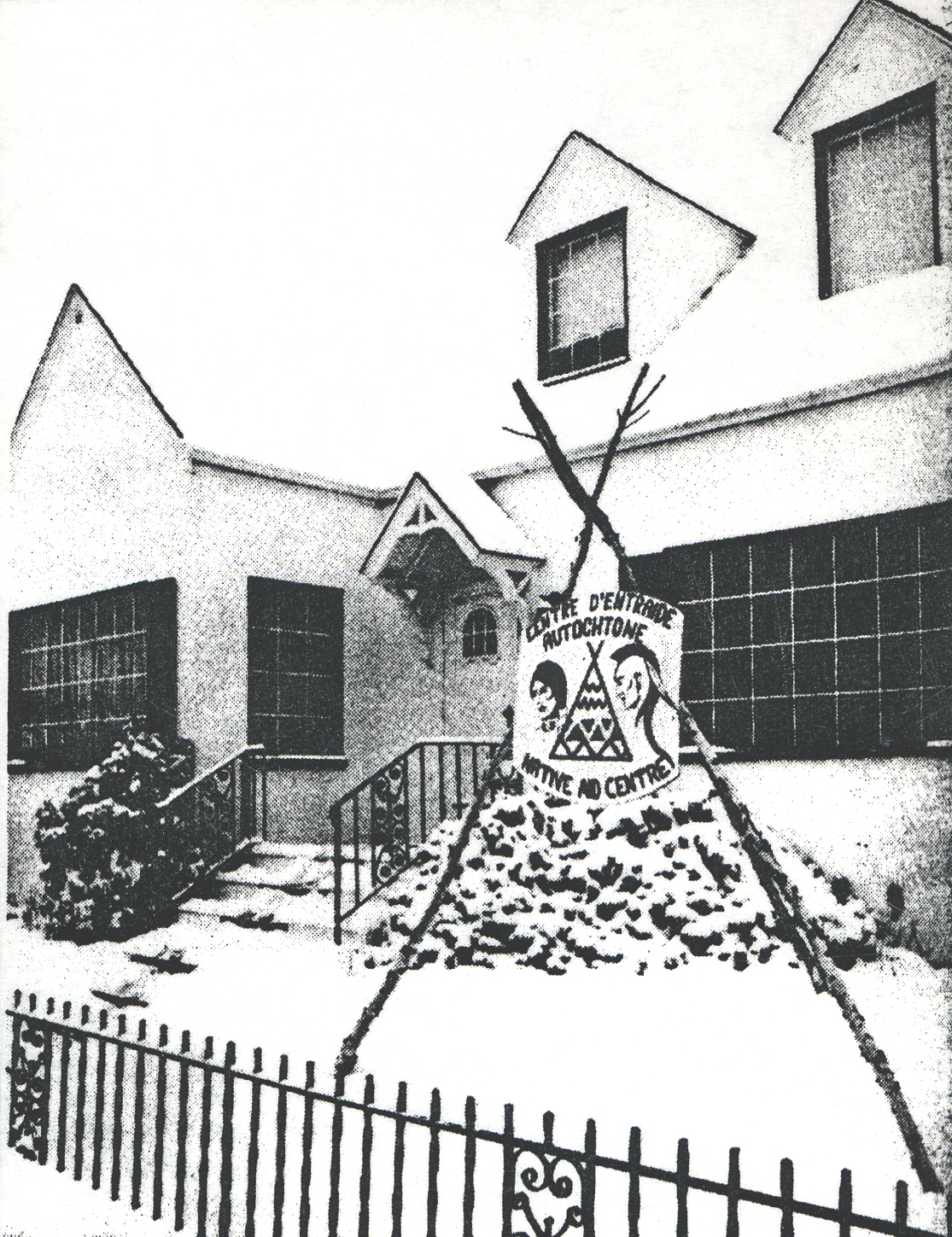
  • 1974-1980
    Start-up phase

    Start-up phase

    An initial drop-in point has been set up to encourage encounters between Indigenous individuals and families who live in Val-d’Or or are passing through for various reasons (health care, education, business, access to public services).
  • 1981-1995
    Consolidation phase

    Consolidation phase

    The centre acquires new facilities, offers accommodation and various services to a growing clientele; the first consolidation of activities is taking place.
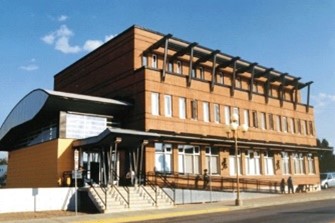
  • 1996-2010
    Strengthening phase

    Strengthening phase

    A restructuring of activities fosters the implementation of a new sector-based management system and leads to a significant increase in development initiatives and local and regional partnerships.

    The Centre prioritises capacity building among its staff and initiates new bridge-building activities (between Indigenous citizens and Quebec citizens) at the local and regional levels.

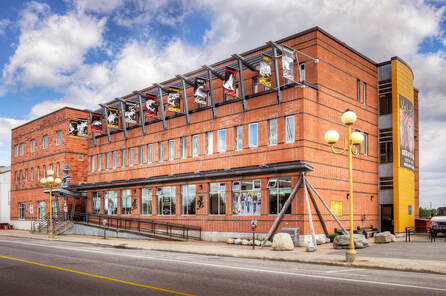
  • 2011-2019
    Affirmation phase

    Affirmation phase

    The Centre has become an agent of social change not only because it is a major provider of services to the Indigenous population, but also because it is located at the crossroads of all Indigenous organisations and bodies in the city and region.

    Building on its past experiences, successes and the connections it has forged over the years, the Centre now serves an increasingly active and diverse urban Indigenous community. Its role as an influencer and mediator is recognized beyond the city limits.

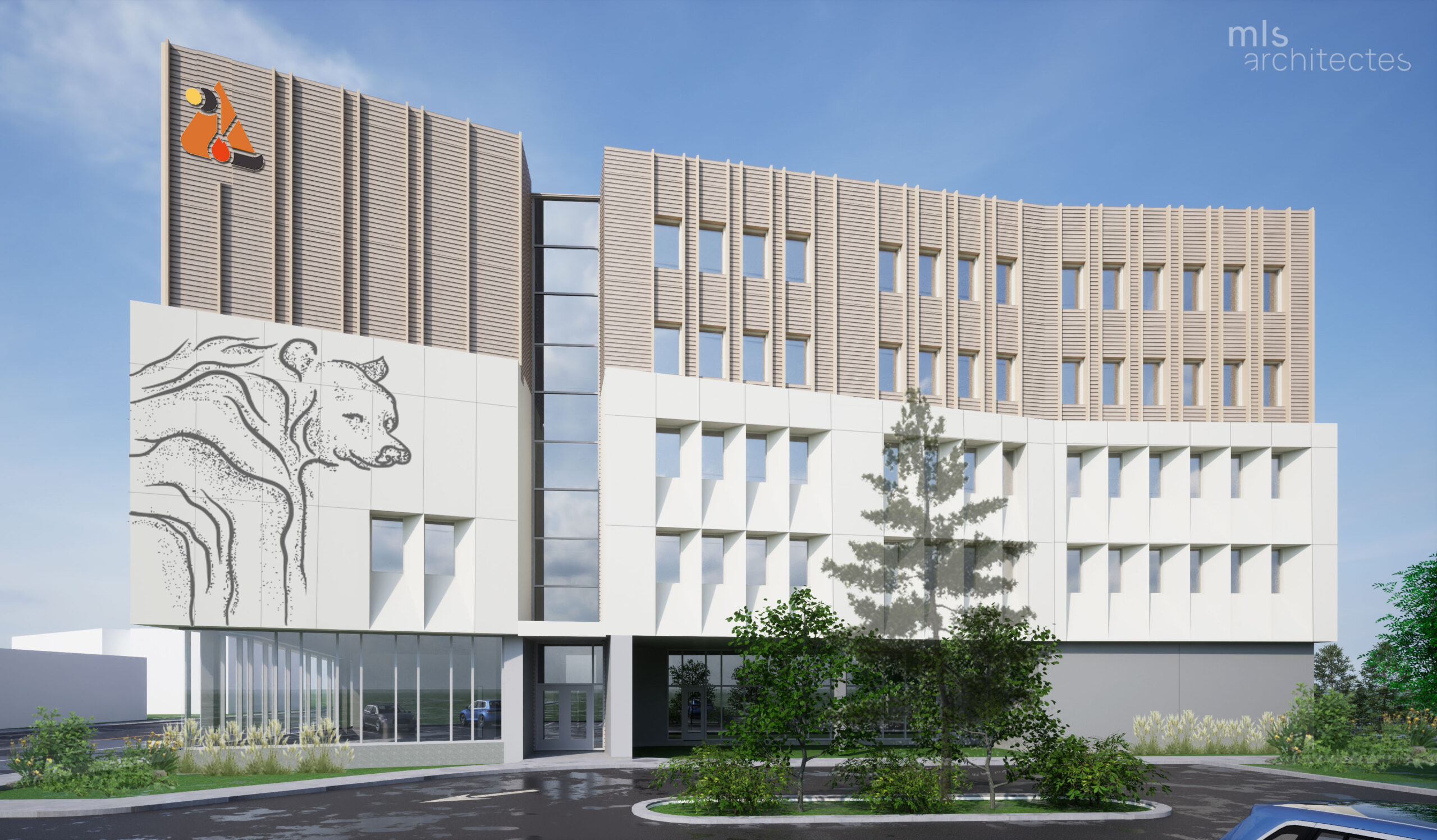
  • Since 2020
    Self-determination phase

    Self-determination phase

    In a secure environment, the Centre implements practices that promote the improvement of individuals’ living conditions and the restoration of their dignity, particularly through initiatives in indigenous health and community housing.

    The Centre has reached a position that now allows it to participate directly in decisions about its future, reverse the course of colonisation, and propose alternative responses to existing power inequalities. It has positioned itself as a model of urban indigenous governance and a key player in its own destiny.

This site is registered on wpml.org as a development site. Switch to a production site key to remove this banner.